Storing Cutting Tools: Stopping Rust, Chipping and Silent Shelf-Life Losses
Tools that never got used can still be ruined by the warehouse. Humidity, stacking and shelf life quietly write off stock — here is how to prevent each one.
A drill bit that has never cut anything can still be worthless. Rust does not care whether a tool has been used, and resin-bonded discs age on the shelf whether anyone touches them or not. For anyone holding inventory — a distributor with a container of stock, or a workshop with a tool room — storage losses are real money that never shows up as an obvious event.
Rust on steel tools
HSS and carbon steel tools rust for three reasons, in this order of frequency:
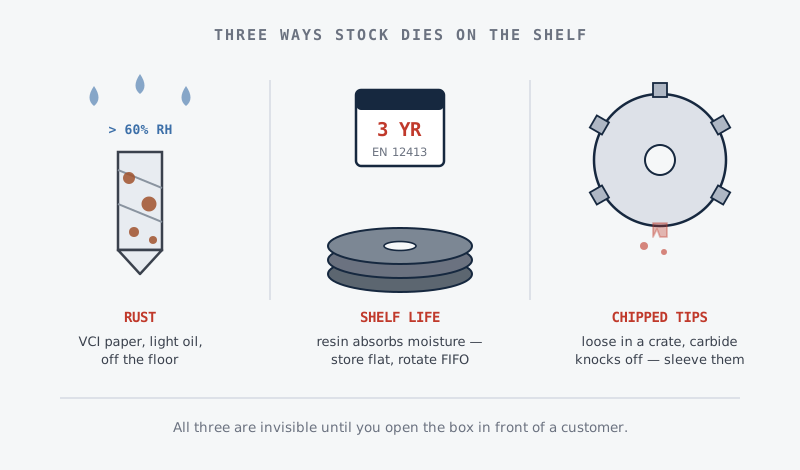
- 01Humidity. Above roughly 60% relative humidity, bare steel begins to corrode. An unheated warehouse in a coastal or monsoon climate sits above that for months.
- 02Handling. Human sweat is salty and mildly acidic. Fingerprints on a bright-finish bit turn into visible etched marks within weeks in a humid store.
- 03Condensation cycling. Stock that warms during the day and cools at night collects surface moisture repeatedly. A shipping container in the sun is the worst case of this.
The countermeasures are cheap:
- VCI paper or bags — vapour corrosion inhibitor packaging releases a molecular layer that protects steel inside a closed package. This is the standard for export packing and it works well for the duration of a sea voyage plus storage.
- A light oil film on bare bright tools. Anything from proper slushing oil to WD-40. Black oxide finishes hold oil better than bright finishes, which is half the point of the coating.
- Silica gel in sealed cases. Metal index cases are effectively airtight; a sachet inside makes them a dry store.
- Keep stock off the floor and away from outside walls. Concrete wicks moisture and outside walls are where condensation forms.
Abrasive discs: the shelf life nobody checks
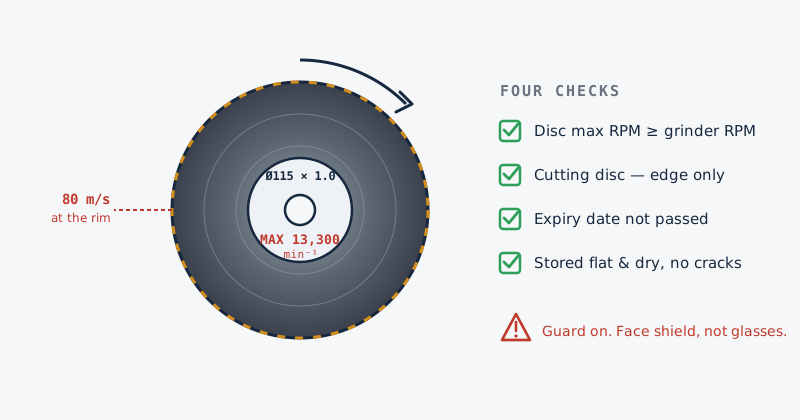
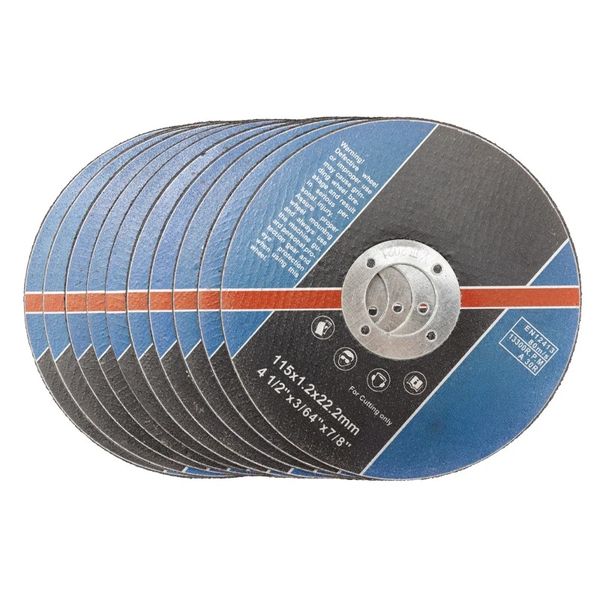
Resin-bonded cutting and grinding discs carry an expiry date — under EN 12413 typically three years from manufacture. The phenolic resin binding the abrasive absorbs atmospheric moisture over time, weakening the bond unpredictably. A disc past its date can look perfect and burst at speed.
- Store flat and supported, in the original packaging. Discs leaning against a wall take a permanent bend and then run out of true.
- Keep them dry and at stable temperature. Not on a concrete floor, not in an unheated container, not next to a wash bay.
- Rotate stock strictly first-in-first-out. This is the single most valuable habit for a distributor holding abrasives.
- Scrap dropped discs. An impact crack is invisible and the disc will fail under load.
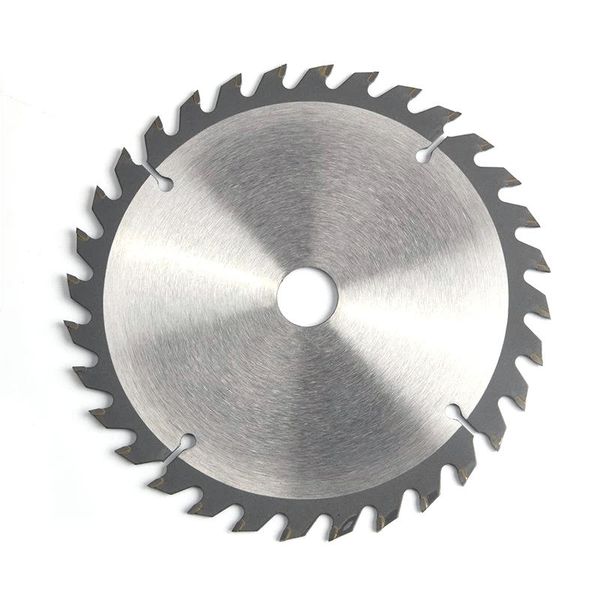
Diamond blades and carbide-tipped saw blades have no comparable shelf life, but they do chip. Stacked loose in a crate, carbide tips knock against each other and against steel bodies until they crack. Sleeve them, or keep the original blade card.
Protecting cutting edges
| Product | Main risk | Storage |
|---|---|---|
| HSS / cobalt drill bits | Rust, chipped tips | Index case or bit block, VCI or light oil, dry |
| Resin cut-off & grinding discs | Moisture, shelf life, impact | Flat, dry, boxed, FIFO, check expiry |
| TCT saw blades | Chipped carbide tips, body rust | Sleeved or carded, hung or flat, never loose in a crate |
| Diamond blades | Segment damage, core rust | Boxed individually, dry |
| Taps & dies | Rust, chipped flutes (very brittle) | Individual tubes or a tap stand, oiled |
| Screwdriver bits | Rust, rounded tips | Holder or case, dry |
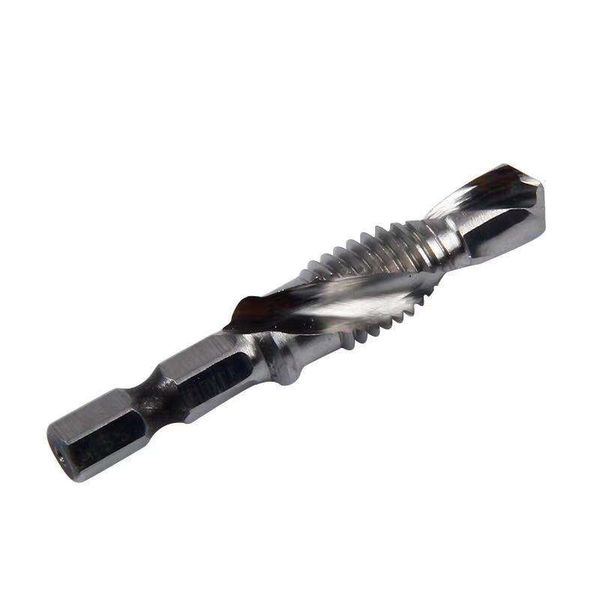
Taps deserve a special mention. A tap is a hardened, deeply fluted tool with thin cutting teeth, and it is the most fragile item in the average tool store. Loose in a drawer, taps chip against each other — and a chipped tap will not cut a clean thread, it will jam and snap in the hole, which is far more expensive than the tap.
From our range
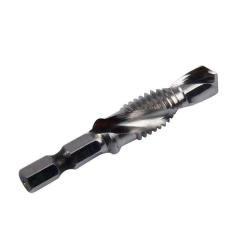
Industrial M8x1.25 HSS Spiral Flute Machine Tap (Blind Hole) – OEM
Spiral flute machine tap for blind holes — store in an individual tube; the flutes chip easily against other steel.
For distributors: what this is worth
Two habits cover almost all of it, and neither costs anything:
- 01Date-stamp incoming abrasive stock and pick from the oldest. A carton of expired discs is a total write-off and a liability if it ships to a customer.
- 02Store steel tools away from outside walls and off the floor, in sealed packaging. Rusted stock is not scrap, but it is a discount sale and a customer who quietly downgrades their opinion of your quality.
Both problems are invisible until you open a box in front of a customer. That is exactly why they are worth systemising — and why we pack for the destination climate rather than for the shortest trip out of the factory.
Products mentioned in this guide
HSS Twist Drill Bits
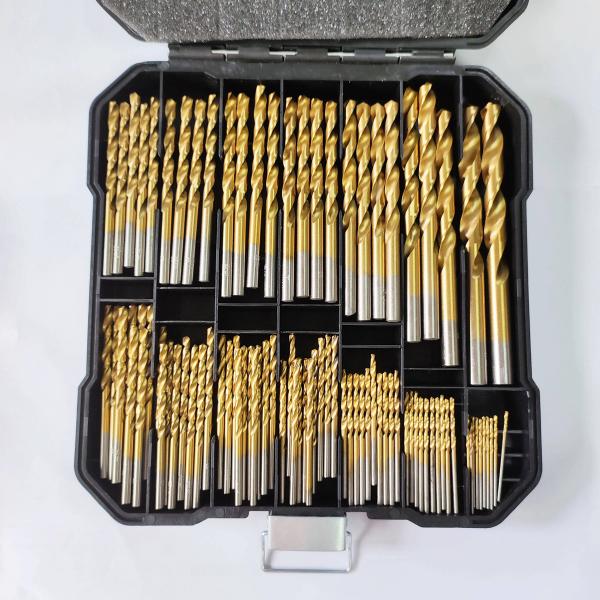
Industrial 99-Piece Titanium HSS Drill Bit Master Set (Metal Case) – OEM
Cut-Off Wheels
Industrial 4.5" (115mm) Resin Cut-Off Wheel for Stainless Steel – OEM
TCT Saw Blades — Wood
Industrial TCT Wood Cutting Circular Saw Blade (30T/40T/60T) – OEM Bulk
Taps & Dies